
Lower cooling costs
By reflecting up to 95% of radiant heat, foil insulation reduces the amount of heat entering the roof space, so your air conditioner runs less often and uses less energy to maintain a comfortable temperature.
Strathmore
Foil-faced blankets and sarking installed under your roofing to reflect radiant heat and cut summer heat gain through tiles or metal sheeting in Strathmore homes.
Share your details and Expert Insulation Melbourne will contact you about Roof Insulation in Strathmore.
Roof insulation sits at the roofline under tiles or metal sheeting to block radiant heat before it enters your home. In Strathmore’s hot dry summers, this is the most effective way to stop heat building up in the roof space and pushing through the ceiling into living areas. Foil-faced blankets and sarking are the common products, chosen for their reflective properties and ability to work with raked or cathedral ceilings.
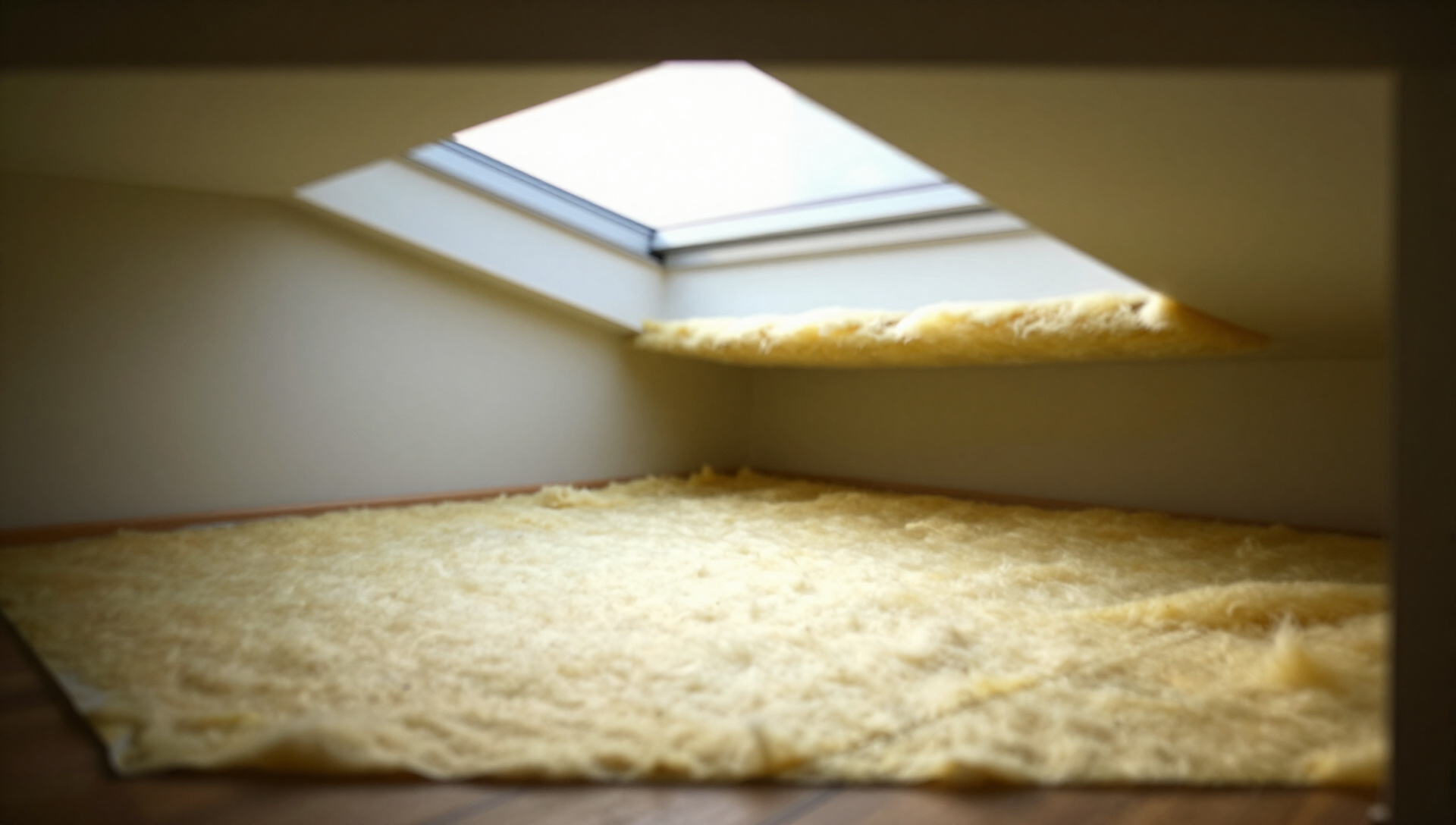
Strathmore’s mix of interwar bungalows and postwar brick homes often have roof spaces that trap heat during summer heatwaves. Roof insulation addresses this by reflecting radiant heat at the source, keeping the roof space cooler and reducing the load on your cooling system.
By reflecting up to 95% of radiant heat, foil insulation reduces the amount of heat entering the roof space, so your air conditioner runs less often and uses less energy to maintain a comfortable temperature.
A cooler roof space means less heat radiating down through the ceiling, so living areas stay more stable during the day and cooler at night when outside temperatures drop.
Ceiling batts work best when the roof space is not overheating. Roof insulation keeps the attic temperature down, so your existing ceiling insulation performs at its rated R-value.
Reflective foil laminates like sisalation also act as a barrier against dust and moisture entering from the roof cavity, which helps maintain cleaner air inside the home.
Foil and sarking can be installed under most tile and metal roofs without removing the roofing material, making it a practical upgrade for older Strathmore homes.
Once installed, reflective roof insulation requires no upkeep. It does not compress, sag or degrade over time, providing reliable thermal performance for the life of the roof.
Installing roof insulation is a precise job that requires access to the roof space and careful handling of the reflective materials. The process is tailored to your roof type and the existing structure of your home.
We check the condition of the roof space, the type of roofing and the existing insulation. This determines whether foil blankets or sarking are the best fit and if any old material needs removal first.
Reflective foil is measured and cut to fit between rafters or under the roofing sheets. For sarking, rolls are laid directly under the roofing material with the required air gap for maximum reflectivity.
Foil-faced blankets are stapled to the underside of the rafters or fixed to the roof framing, ensuring full coverage and no gaps. All joins are taped to maintain the reflective barrier.
Edges are sealed around roof vents, flues and any cables to prevent heat leakage. The installation is checked to ensure the foil is not in contact with any electrical wiring or other services.
Strathmore’s interwar and postwar homes often have pitched roofs with ample roof space, making them well suited for reflective roof insulation. Many of these houses were built before modern thermal standards, so adding foil or sarking at the roofline is a cost-effective way to improve comfort without major renovations. The suburb’s exposure to hot northerly winds in summer means roof insulation delivers noticeable benefits in reducing indoor temperatures and cooling costs.
Reflective foil and sarking installed under roofing to cut summer heat gain in Strathmore homes.
Homeowners in Strathmore often ask about the practicalities of roof insulation, from suitability for their roof type to how it interacts with existing ceiling batts.
Expert Insulation Melbourne installs roof insulation in Strathmore to reduce summer heat gain through tiles and metal roofing. Reflective foil-faced blankets and sarking are fitted at the roofline to block radiant heat before it enters the roof space, keeping living areas cooler and lowering cooling costs. This approach is particularly effective for Strathmore’s interwar bungalows and postwar brick homes, which often lack adequate thermal barriers at the roof level.
Roof insulation works alongside ceiling batts by stopping heat at its source, so your existing ceiling insulation can perform at its rated thermal resistance. In Strathmore’s climate, with hot dry summers and heatwaves, this combination delivers the best results for year-round comfort. Foil and sarking are also useful for managing dust and moisture in the roof cavity, which can affect air quality and the longevity of other insulation materials.
The installation process involves inspecting the roof space, measuring and cutting reflective materials to fit between rafters or under roofing sheets, and securing them with staples or adhesive. All edges and penetrations are sealed to maintain the reflective barrier. For Strathmore homes with raked or cathedral ceilings, roof insulation is often the only practical way to add thermal protection without removing the ceiling lining.
Reflective foil and sarking installed under your roofing to cut summer heat gain. Call Expert Insulation Melbourne on 0399695249 or email info@expertinsulationmelbourne. com. au for a quote.